The Time Risk Nobody Wants: Who Bears the Cost of AI Infrastructure Duration?
Who bears the cost of time risk in AI infrastructure — As the AI build-out accelerates, long-dated leases, power commitments, and hardware cycles are colliding with short-term demand and rapid technology shifts. Time itself is becoming the scarcest asset.

The AI infrastructure boom is often described in terms of scale.
More GPUs.
More megawatts.
More campuses.
More capital.
But as the industry enters 2026, a different constraint is quietly reshaping outcomes — time.
Not time-to-market in the abstract, but duration risk: the growing mismatch between how long AI infrastructure commitments last and how quickly AI demand, technology, and customers can change.
That mismatch is no longer theoretical. It’s becoming one of the most consequential — and least discussed — risk classes in the AI data center economy.
The New AI Trade: Locking in Time Before the Market Does
To secure AI capacity, hyperscalers and cloud providers are increasingly making long-duration commitments:
- multi-decade real estate leases
- long-term power contracts
- fixed infrastructure shells built for today’s workloads
- capital-intensive equipment cycles
At the same time, the revenue side of the equation remains comparatively short-dated:
- customer contracts measured in years, not decades
- usage commitments that can flex with budgets and models
- rapid shifts in model architecture, hardware efficiency, and deployment strategy
The result is a growing duration mismatch between assets and revenues.
In effect, AI infrastructure players are being paid to absorb time risk that the market itself is unwilling — or unable — to carry.
Why This Risk Is Structural, Not Company-Specific
It’s tempting to frame duration risk as a company problem:
a balance sheet decision, a leasing strategy, or a capital structure choice.
That framing misses the point.
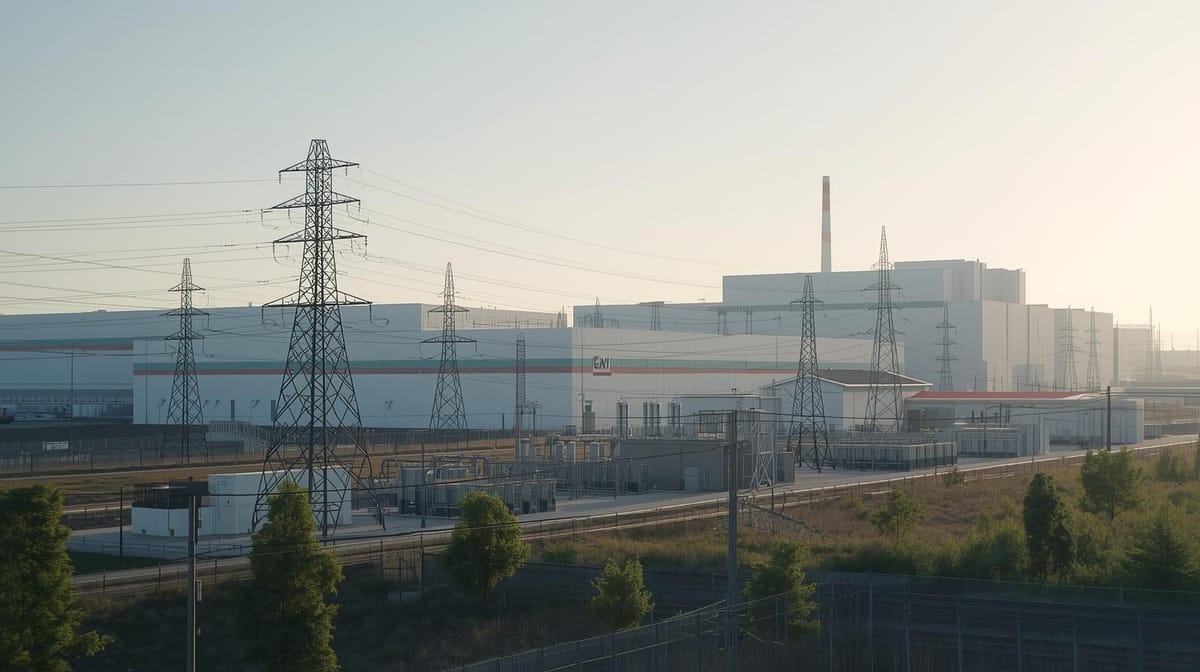
Duration risk is emerging because time-to-power has become the scarcest input in AI infrastructure.
Grid delivery timelines stretch into the late 2020s.
Interconnection queues grow longer.
Transmission upgrades take years.
When power is constrained, time itself becomes the asset — and whoever can lock it in gains strategic advantage.
This dynamic pushes risk outward:
- from utilities to developers
- from landlords to hyperscalers
- from balance sheets to long-dated commitments
The industry isn’t eliminating risk.
It’s reallocating it.
Where Duration Risk Actually Lives
Duration risk concentrates in three places: